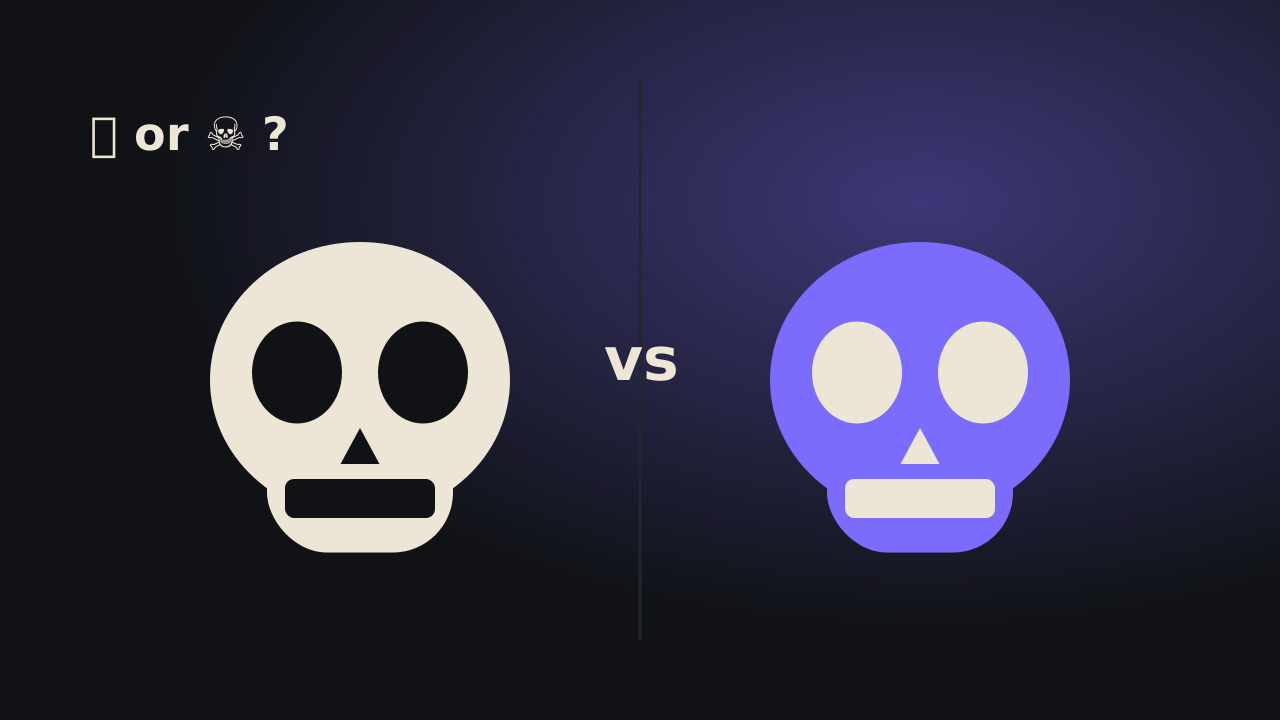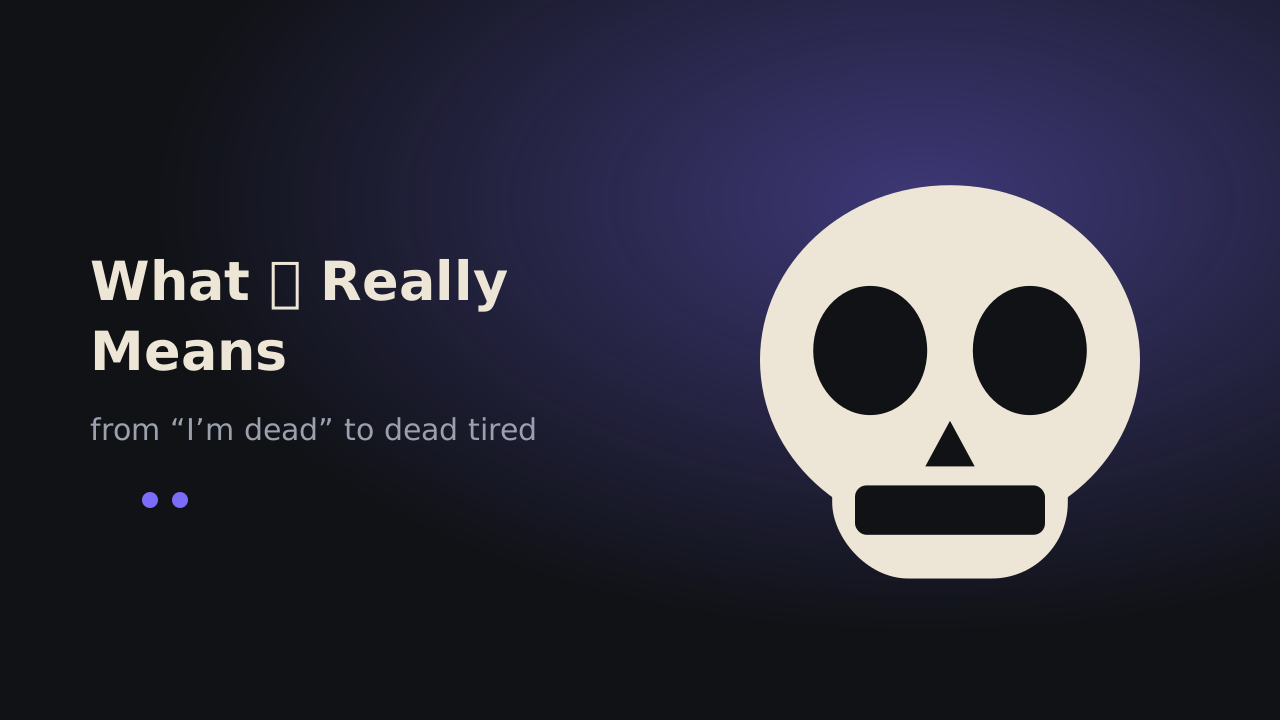
Ask two people what the skull emoji means and you might get two completely different answers. To one, 💀 is grim — death, danger, the end. To another, it is the funniest thing in the world. Both are right, and the gap between them is the whole story of this emoji.
The original meaning
When Unicode added the skull in 2010, the intent was literal. It represented a human skull: mortality, danger, the macabre. That meaning never disappeared — you'll still see 💀 on Halloween posts, in horror discussions and next to genuine warnings.
The meaning it has today
Somewhere along the way, internet culture rewired it. The phrase “I'm dead” — meaning something is so funny it killed you — found its perfect symbol. Now 💀 is, for millions of people, simply a laugh.
“he replied to the teacher ‘love you too’ by accident 💀💀”
This is why context matters so much. The same three skulls under a comedy video mean pure joy; under a news report about a tragedy, they'd be deeply inappropriate.
The other shades of meaning
Between “death” and “laughter” sit a few more everyday uses: exhaustion (“dead tired” after a long day), embarrassment (so awkward you want to disappear), and dark-humor aesthetics for bios and usernames. The skull stretches to cover all of them.
How to read it correctly
When you receive 💀, look at the surrounding message. Playful tone and a funny setup mean laughter. A serious topic means it's literal. Rarely does anyone use it to be genuinely threatening — but tone-deaf placement can still cause misunderstandings, especially across generations.
Want to try it yourself? You can copy the skull emoji in one click, or explore skull emoji combinations to see how it pairs with other symbols.